_edited.png)


What is it?
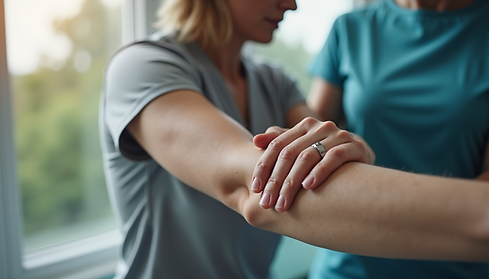
Manual therapy in physiotherapy refers to a range of hands-on techniques used by physiotherapists to assess, diagnose, and treat movement dysfunction and pain. It involves the skilled use of the therapist’s hands to mobilize joints, manipulate soft tissues, and influence the nervous system. The goal of manual therapy is to restore normal movement, reduce pain, improve function, and support the body’s natural healing processes. Techniques may include joint mobilization or manipulation, soft tissue massage, stretching, and myofascial release.
In a clinical context, manual therapy is often used alongside exercise prescription, education, and other treatment modalities to achieve optimal outcomes. It can help reduce muscle tension, improve circulation, and enhance joint mobility, making it particularly useful for conditions such as back or neck pain, joint stiffness, and soft tissue injuries.
Importantly, manual therapy is not a standalone solution but part of a broader, evidence-informed approach to physiotherapy care. Physiotherapists use clinical reasoning to determine when and how manual techniques should be applied, tailoring them to each individual’s presentation, goals, and stage of recovery.

Our Treatment approach
At Reframe Physio, we believe that effective physiotherapy requires more than just one type of treatment. While manual therapy can be powerful for relieving pain and restoring mobility, it’s most effective when combined with targeted exercise and movement retraining. Some clinics rely solely on hands-on treatment to provide short-term relief, but without addressing underlying movement patterns, strength, or control, symptoms often return. On the other hand, clinics that focus only on exercise may miss opportunities to reduce pain and stiffness quickly through manual techniques, which can make exercise easier and more effective.
Our approach integrates both hands-on therapy and active rehabilitation to provide a more complete and lasting outcome. We use manual therapy to reduce pain, release tight structures, and restore joint mobility—creating a foundation that allows patients to move more freely and confidently. From there, we focus on individualised exercise programs that strengthen, stabilise, and retrain the body to maintain those improvements and prevent recurrence.
This combination ensures that we’re not just treating symptoms, but addressing the root causes of pain and dysfunction. Every treatment plan is tailored to the person in front of us, rather than following a one-size-fits-all model. By blending the best of manual therapy and movement-based rehabilitation, we help our patients not only feel better faster but also build resilience for long-term health and performance.
How are we different?
What sets me apart is the breadth and depth of my knowledge in this field. My experience across a variety of clinical settings has allowed me to work with a wide spectrum of pain presentations — from acute post-operative pain and flare-ups to the management of chronic nociplastic pain within the community.
In addition, I have gained valuable insight through my postgraduate training at the University of Otago, where I have honed my manual therapy skills under the tutorage of Dr Steve Tumilty - one of the few board accredited Physio specialist in NZ. The combination of extensive clinical experience and advanced training has equipped me with a nuanced understanding of pain management and the confidence to deliver evidence-based, patient-centered care.
If you’re seeking support to better understand and manage your injury, I’d be glad to work with you to develop a clear, personalized plan toward lasting improvement.
What to expect for the session
We will begin by taking a detailed history of your injury and how the symptoms have evolved over time. As part of this process, we will also be reviewing the other aspects of your health such as diet, sleep, and social or spiritual support. This will be followed by a comprehensive physical assessment that looks at the site of injury, current areas of pain and also your movement pattern as a whole.
I'll then provide a detailed explanation of what I think is causing your discomfort and outline the path to get you better. Follow-up reviews will then be scheduled to monitor your progress and make any necessary adjustments to your care plan.
Should we identify any concerning findings, we will promptly escalate your care to ensure you receive the appropriate attention as soon as possible. Be it organizing a scan to referring you onwards to the appropriate specialist, I promise to do my best to support a coordinated and seamless recovery.